Master Your Yoga Alignment
Discover the essential principles of proper yoga form with our comprehensive guides. Learn how correct alignment protects your body, deepens your practice, and unlocks the true benefits of each pose.
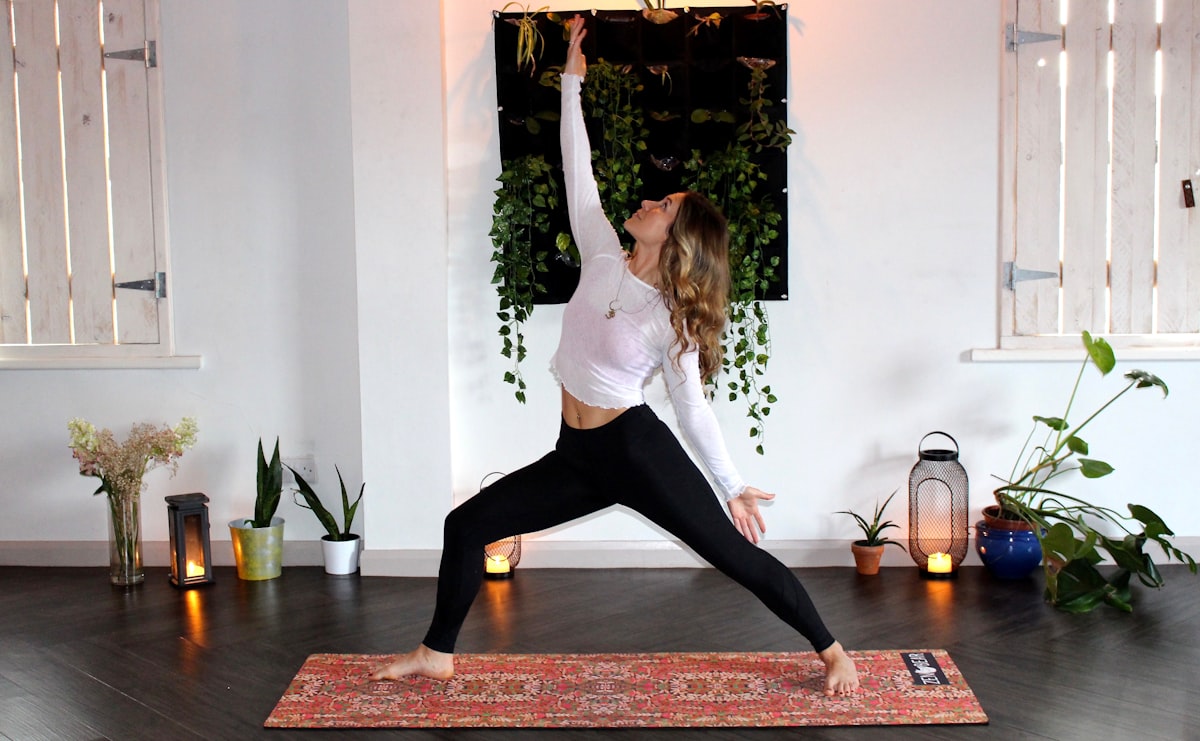
Why Proper Alignment Matters
Understanding the fundamentals of alignment transforms your yoga practice from the ground up
Injury Prevention
Proper alignment distributes weight evenly throughout your body, significantly reducing strain on joints and muscles. This protective approach allows you to practise safely for years to come.
Enhanced Benefits
When your body is properly aligned, every pose becomes more effective. You'll experience deeper stretches, improved balance, and greater engagement of the intended muscle groups.
Body Awareness
Focusing on alignment develops genuine body awareness and proprioception. This heightened awareness extends beyond your mat into everyday life, improving posture and movement patterns.
Foundation Alignment Principles
Master these core concepts to improve every pose in your practice
Neutral Spine Alignment
The spine has three natural curves: cervical, thoracic, and lumbar. Proper alignment maintains these curves without exaggerating them. When your spine is neutral, your muscles work efficiently and stress is distributed evenly across vertebrae.
In standing poses, imagine a plumb line dropping from the crown of your head through your centre of gravity to the ground. This reference helps you position your spine correctly in almost any asana.

Joint Stacking
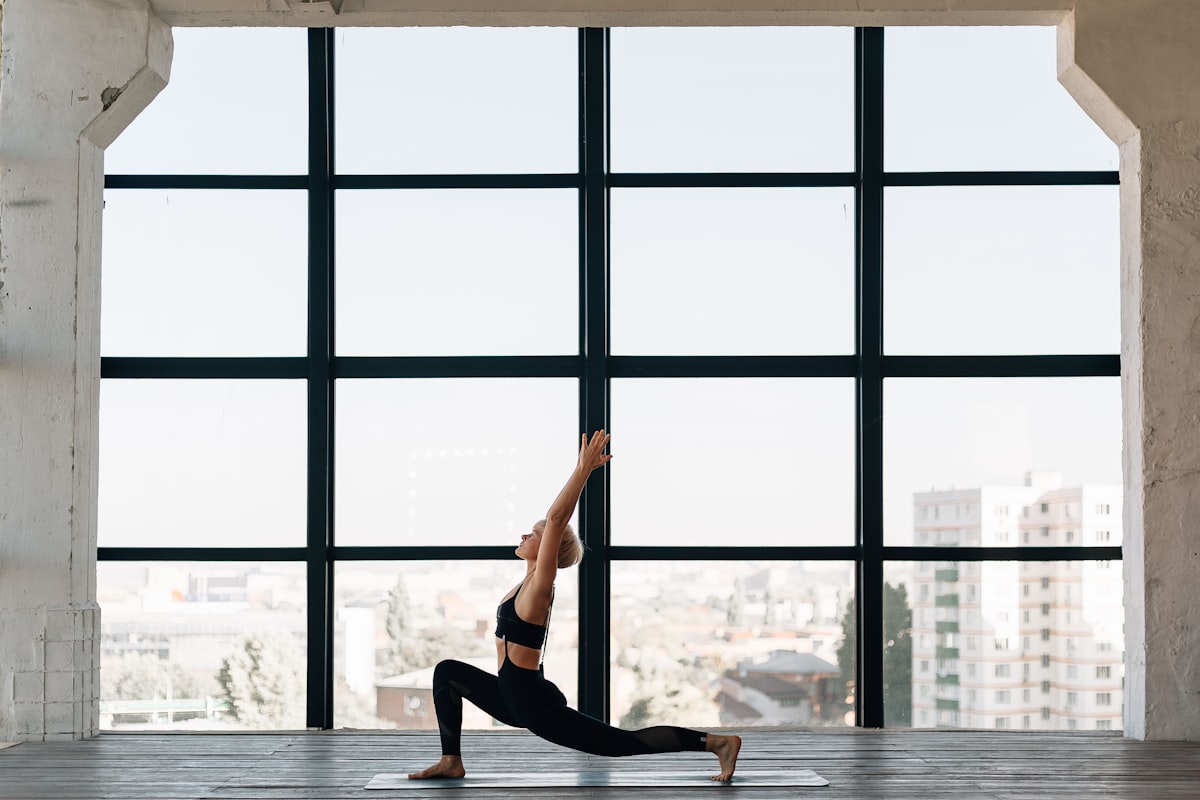
Joint stacking means positioning major joints directly above or below each other to maximise stability and minimise strain. In standing poses, your ankles, knees, and hips should align vertically. This principle prevents unnecessary torque on joints.
Pay particular attention to your knees in lunges and warrior poses. Your front knee should sit directly over your ankle, never extending beyond your toes. This simple adjustment protects your knee joint significantly.
Shoulder and Hip Alignment
Your shoulders should sit directly above your wrists in arm-balance poses and planks. Likewise, your hips should align with your shoulders in standing poses, creating a stable rectangular frame. This alignment maximises strength and control.
Avoid allowing your shoulders to creep up toward your ears—this creates unnecessary tension. Instead, draw your shoulders down your back and broaden your collarbones. This simple cue transforms the quality of most upper-body poses.

Visual Pose Reference Guide
Explore detailed alignment demonstrations for essential yoga poses
Tadasana (Mountain Pose)
- Feet hip-width apart, weight evenly distributed
- Legs engaged, quads lifted
- Neutral pelvis and spine

Balasana (Child's Pose)
- Big toes touching, knees wide
- Forehead rests on mat or block
- Arms extended or alongside body
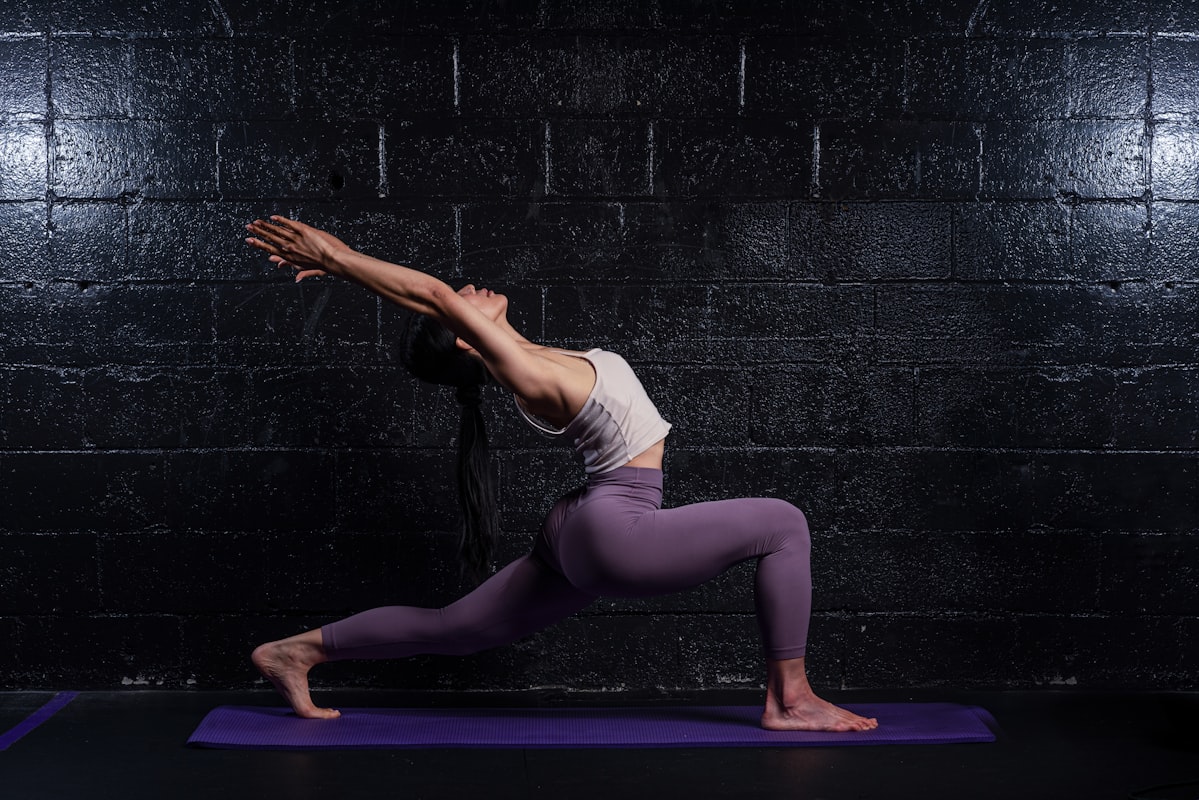
Virabhadrasana II (Warrior II)
- Front knee stacked over ankle
- Torso upright, shoulders aligned
- Gaze soft and level
Common Alignment Mistakes & Corrections
Learn how to identify and fix the most frequent alignment errors
Why do my shoulders creep up toward my ears in most poses?
Shoulder tension often stems from stress or poor postural habits. In yoga, this happens when you're trying too hard or not properly engaging your back muscles. The fix is simple: before entering any pose, actively draw your shoulders down and back, then broaden your collarbones. Press your upper arm bones down and back into their sockets. This engagement should feel effortless—if you're straining, ease back slightly.
Practise this cue in mountain pose daily. As your body learns the correct positioning, you'll automatically maintain it in other asanas. This single adjustment can dramatically improve your entire practice.
My knees hurt in lunges—is my alignment wrong?
Knee pain in lunges usually indicates misalignment. The most common issue is allowing your front knee to travel excessively forward past your toes. This creates stress on the knee joint itself. To correct this: step your front foot far enough forward that when you lower your hips, your front knee naturally stacks directly over your ankle. Your upper body should remain upright, not leaning forward.
Additionally, ensure your front foot points straight ahead—turning it outward or inward creates torque. Keep your weight distributed between both feet and press your back heel toward the ground.
If knee pain persists, place a yoga block under your front heel to reduce the depth of the lunge while you build strength and alignment awareness.
How do I know if my hips are level in standing poses?
Level hips are fundamental to balanced standing poses. Imagine a horizontal line connecting your hip bones—this line should remain parallel to the ground. In poses like warrior III and half-moon, many people drop one hip, which destabilises the pose and misaligns the spine.
To find level hips: place your hands on the front of your hip bones and feel their position. In standing poses, engage your lower abdominal muscles and slightly tilt your pelvis to find neutral. If you're in a one-legged pose, square your hips forward and resist the urge to let the non-supporting hip drop back or drop down.
Practising with a mirror or filmed self-feedback helps enormously. Even advanced yogis benefit from regularly checking hip alignment using these simple visual references.
Should my wrists feel uncomfortable in plank and downward dog?
Wrist discomfort indicates misalignment or inadequate hand positioning. Properly aligned, your wrists should never cause pain. Check these points: spread your fingers wide and press firmly through your entire palm, especially at the base of your fingers. Your shoulders should stack directly over your wrists—if you're too far forward or back, you'll strain the wrists.
Engage your core and upper back muscles to reduce weight bearing on the wrists. Distribute pressure throughout your hands rather than concentrating it in your palms. If your wrists remain sensitive, use a yoga wedge or folded towel under your hands to reduce the angle.
Build wrist strength gradually through targeted exercises. Many wrist issues stem from weak wrist stabilisers, not alignment alone. With proper form and progressive strengthening, most yogis eliminate wrist discomfort within weeks.
5-Step Alignment Checklist
Use this systematic approach before entering any pose
Find Your Foundation
Begin every pose by establishing solid contact with the ground. Whether on your feet, hands, or sitting bones, ensure even weight distribution. Press firmly through all contact points and engage the muscles beneath.
Spend 3-5 seconds grounding before moving deeper into the pose.
Engage Your Core
Activate your abdominal and back muscles to support your spine. Draw your navel gently toward your spine without holding your breath. This creates internal stability that protects your joints and allows deeper access to poses.
Core engagement should feel supportive, not restrictive.
Stack Your Joints
Position major joints directly above or below each other. Mentally scan from top to bottom: shoulders over wrists, hips over knees, knees over ankles. This vertical stacking maximises stability and distributes force evenly.
Use mirrors or video to verify proper stacking until it becomes intuitive.
Lengthen Your Spine
Create space between your vertebrae by gently extending through the crown of your head. Imagine a string pulling you upward, creating length rather than compression. Maintain this length even as you fold or twist.
Spinal length prevents disc compression and improves pose quality significantly.
Breath and Awareness
Breathe smoothly and steadily throughout the pose. Use your breath to deepen alignment—exhale to release tension, inhale to create space. Notice any asymmetries or areas of strain and make micro-adjustments.
Your breath is your best guide for appropriate intensity.
Practice Consistency
Alignment improvements happen through regular practice. Your nervous system needs repetition to rewire movement patterns. Even 15 minutes of focused, alignment-conscious practice daily outweighs occasional longer sessions.
Patience and consistency transform your entire practice within weeks.
How Alignment Transformed Our Students' Practice
Real stories of improved form, reduced pain, and deeper yoga experiences
After three months of focusing on alignment through your guides, I've eliminated the lower back pain that plagued my practice for years. I now understand why certain poses felt uncomfortable and how to modify them. My whole relationship with yoga has transformed—I'm finally experiencing the benefits people always talk about.
Sarah Mitchell
Manchester, United Kingdom
"I've been practising yoga for five years but never understood proper alignment until I read these articles. The visual demonstrations are crystal clear, and the step-by-step guidance transformed my practice overnight. I actually feel stronger and more balanced now."
David Chen
London, United Kingdom
"As a beginner, I was overwhelmed by all the technical instructions from different teachers. Your alignment tips finally made everything click. I now approach every class with confidence, knowing exactly what to look for in my body positioning."
Emma Rodriguez
Bristol, United Kingdom
"I teach yoga professionally and share these alignment resources with my students constantly. The explanations are thorough yet accessible. My entire classes improved when my students grasped these fundamental principles."
James Patterson
Edinburgh, United Kingdom
"Recovering from a shoulder injury, I was terrified to practise yoga again. Your detailed alignment modifications gave me the confidence to return safely. Six months later, my shoulder is stronger than ever."
Lisa Patel
Leeds, United Kingdom
Stay Updated with Alignment Tips
Receive our latest guides, pose corrections, and alignment insights delivered to your inbox.
We respect your privacy. Unsubscribe at any time.
Ready to Transform Your Yoga Practice?
Explore our comprehensive alignment guides, detailed pose breakdowns, and expert techniques. Discover how proper form can deepen your practice and protect your body for years to come.
Part of Holisticfitnessdiet — Your trusted source for yoga alignment education in the UK